Community by community
What the ground is doing under your street
Alcona
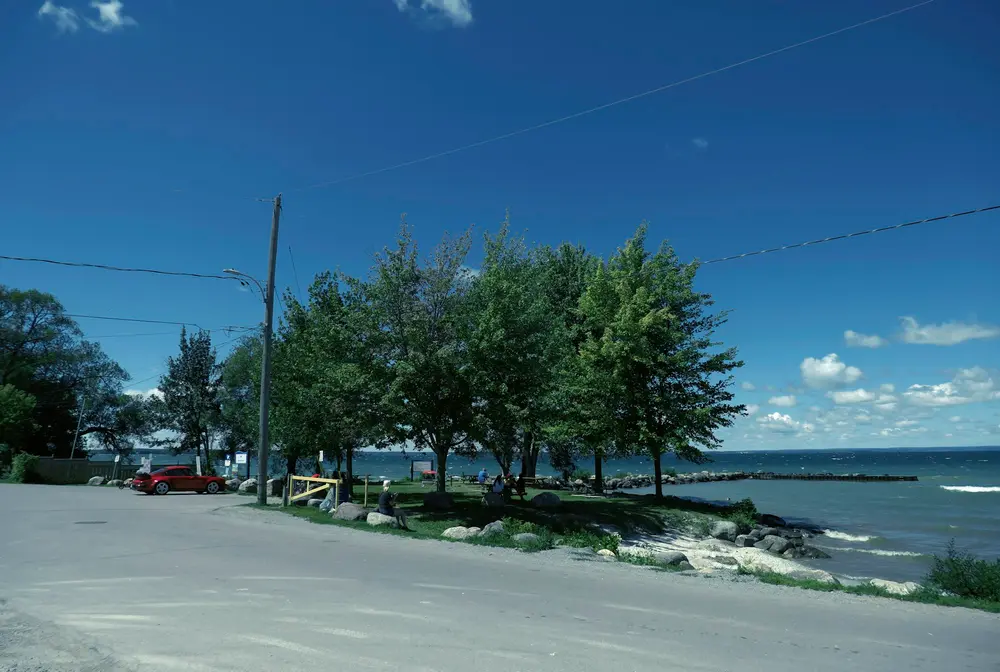
The largest community in Innisfil and the closest to the lake. Sandy ground, a high water table in wet years, and a mix of converted cottages on the old streets near the shore and 1990s-onward subdivisions inland. Water through the floor is as common here as water through the wall.
Stroud
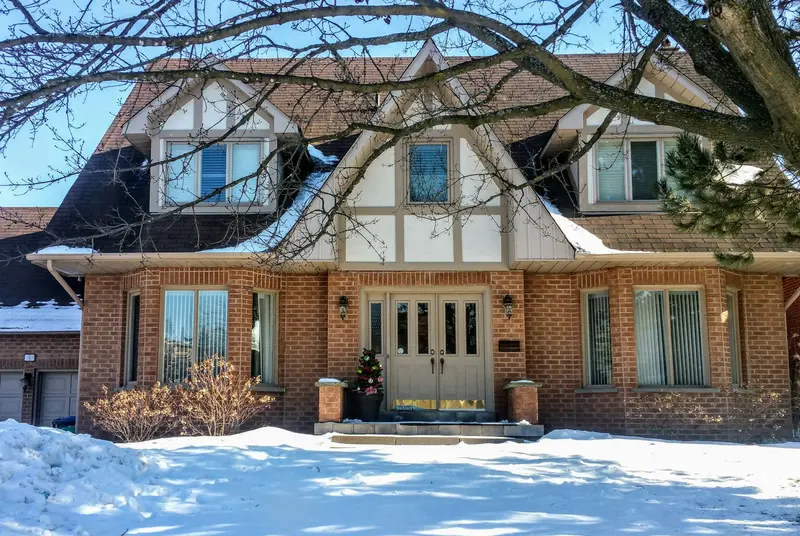
Inland along Yonge Street on heavier ground. Clay loam holds water against a foundation instead of draining it, so exterior membranes and grading do more here than pumps. Many older houses still on the original clay weeping tile.
Lefroy and Belle Ewart
Old lakeshore villages with a harbour, small lots and a lot of former cottages — shallow block foundations, crawl spaces, additions built over the years. The water table is close, and the shoreline sand moves it fast.
Gilford
At the south end of the shoreline on Cook’s Bay, next to the Holland Marsh. Low, flat and wet; sump capacity and a working discharge matter more here than almost anywhere else in town.
Cookstown
The west end of the municipality, on Highway 89 beside the 400 — an older village core on clay with newer streets around it. Block-wall basements in the village, poured walls in the new builds; different repairs for each.
Churchill and Innisfil Heights
Hamlets, rural lots and estate lots west of the 400. Wells and septic rather than municipal services, which changes the sump backup we recommend — a water-powered backup does not work on a well.
Big Bay Point
The northern tip of the shoreline, at the Barrie boundary. Cottage-country foundations right on the sand, with the water table close to the surface.
South Barrie, Bradford and Thornton
Outside Innisfil but inside the same drive. Painswick and the south end of Barrie, Bradford West Gwillimbury and Thornton get the same service, same assessment.
The lake
Why Lake Simcoe sets the water table
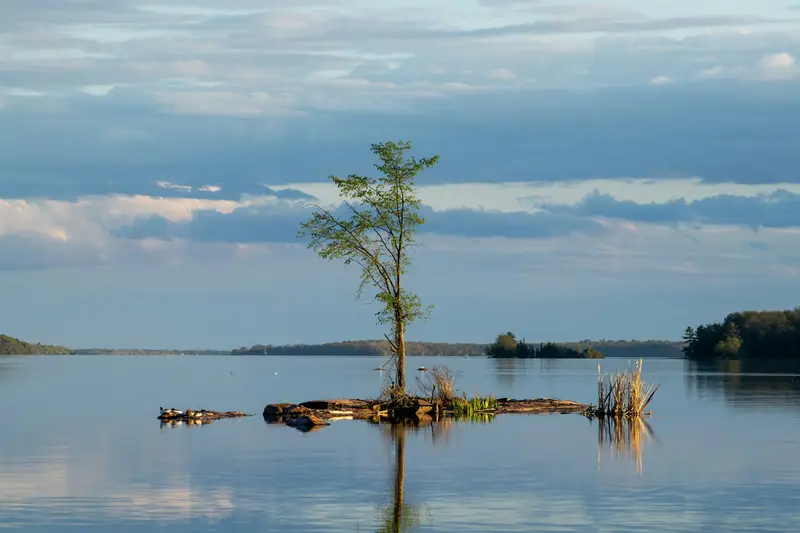
Innisfil’s whole east side is shoreline. Every lakeshore community has the water table to match.


Shoreline: sand, and water close to the slab
Sand drains fast, which sounds good until the water table is only a metre below the floor. Water then arrives from below as much as from the side. Pits need to be sized to a measured inflow, pumps need backup, and interior drains need a real outlet.
Inland: clay that holds water against the wall
Toward Stroud, Churchill and Cookstown the ground turns to clay loam. It saturates, presses against the wall and stays wet for weeks after rain. The membrane on the outside of the wall and the slope of the grade matter more than the pump.
All of it
Towns and neighbourhoods we cover
- Alcona
- Stroud
- Lefroy
- Belle Ewart
- Gilford
- Cookstown
- Churchill
- Big Bay Point
- Sandy Cove
- Innisfil Heights
- Barrie (south end)
- Bradford
- Thornton
- Angus