Basement Waterproofing Innisfil

Exterior waterproofing

Excavate to the footing, clean and seal the wall from the outside, replace the drain, backfill and grade away. The only repair that keeps water out of the wall rather than managing it once it is in.

  • To the footingtypically 1.5–2.4 m down
  • April–Novemberfrost stops the dig
  • Wall dries outnot just the room
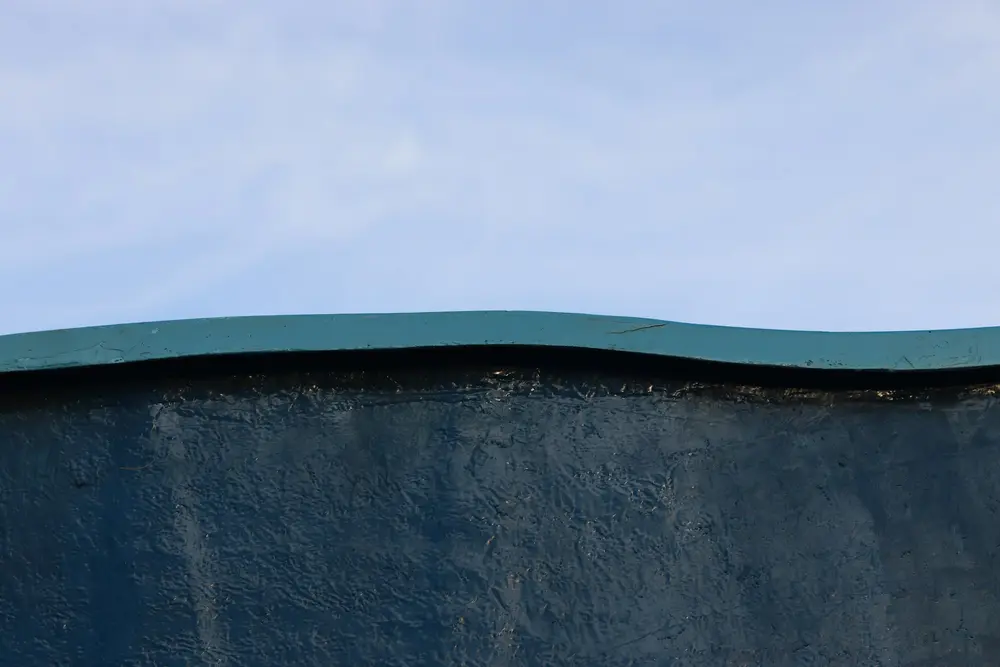
Black waterproof coating applied to the top of a concrete foundation wall
A rubberised membrane on the outside of the wall — the part of the job that stays buried for decades.

What is actually done

The wall is excavated to the footing along the affected length. The concrete or block is pressure-washed, cracks and tie holes are filled, and the parging on a block wall is repaired where it has come away. A rubberised asphalt membrane is applied to the whole wall from grade to footing and lapped over the top of the footing. A dimpled drainage board goes over the membrane so backfill never touches it and water falls straight to the drain.

The old weeping tile is removed. New perforated pipe is laid on clear stone at the footing, covered with more stone and wrapped in filter cloth, and tied into the existing outlet or a sump. Backfill goes in in lifts, and the finished grade slopes away from the house.
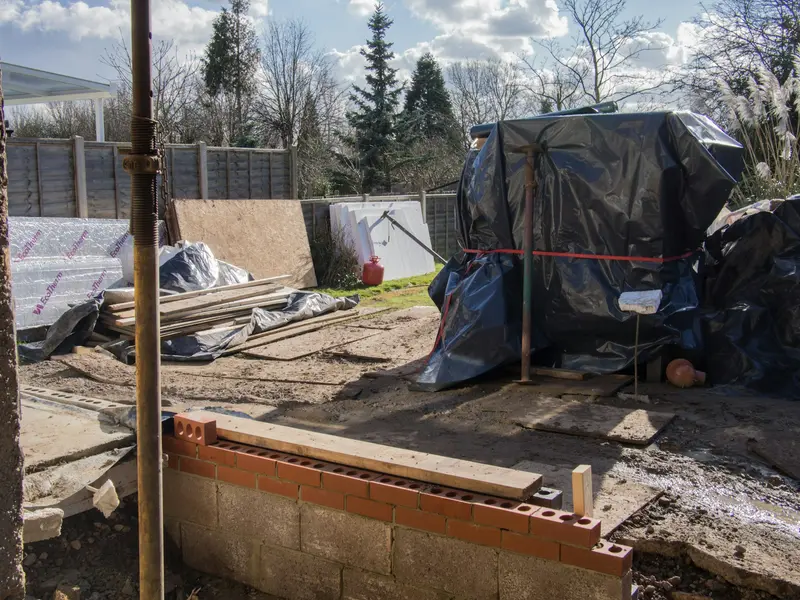
Residential foundation under construction with formwork, materials under tarps and a fenced yard
The same layers go in on a new house; on an older one we put them back where they should have been.

When it is the right repair

  • A block wall damp across a whole elevation, with white efflorescence or blistering paint.
  • The original drain has silted up or collapsed — spring flooding every year is the usual sign.
  • Water is coming in at several points on the same wall rather than one crack.
  • You want the wall itself dry — for a finished basement you will not want to redo.

What it costs you in disruption

A trench along the wall for several days, with the spoil stored on the lot. Whatever is planted or built against the wall comes out and goes back, and the written scope lists each item so there is no argument later. We do not excavate under a deck or a driveway; those walls get an interior system.
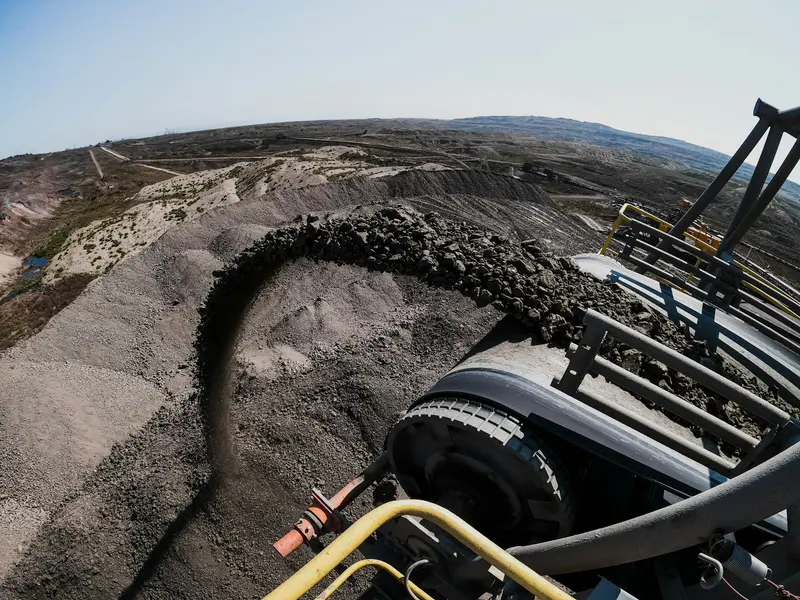
Excavator bucket dumping a load of dark soil during an excavation
Spoil is stored on the lot and goes back as backfill in lifts.

The section

The layers, outside in

  • Membrane on the cleaned wall, sealed over the top of the footing.
  • Dimple board keeps backfill off the membrane and gives water a straight drop.
  • New weeping tile in clear stone, wrapped in filter cloth so fines cannot silt it again.
  • Backfill in lifts, grade sloped away, downspouts extended past the trench line.
1Membrane on the cleaned wall,sealed over the footing 2Dimple board keeps soil off it 3New weeping tile in clear stone, in filter cloth 4Backfill graded away from the house Basement stays dry — the wall itself, not just the room Excavation to the footing usually 1.5–2.4 m in Innisfil

Exterior work is booked by the season. Ask for an assessment in late winter and the dig is scheduled as soon as the ground opens.

Book a free assessment

Questions

Exterior work questions

How deep do you dig?

To the underside of the footing — in Innisfil normally 1.5 to 2.4 m below grade, deeper on a walkout or a house with a full-height basement. The trench is wide enough to work in safely and to lay stone around the new drain.

What happens to the landscaping?

Sod, plants and interlock along the wall come out before the dig and go back after. Decks are usually lifted or a section removed; we say which in the written scope. Mature trees within about 2 m of the wall are the one thing we will tell you may not survive.

Can you do one wall or does it have to be the whole house?

One wall is common. Water usually comes from one side — the side the yard drains toward or the side without a downspout extension. The assessment tells you whether the other walls show any sign of the same problem.

Will it be done before winter?

Exterior work runs from the spring thaw until the ground freezes — roughly April to late November here. Book in late winter and you are early in the queue.

Next step

Is your wall wet through, or just wet at the floor?

That one question decides between this repair and an interior drain. The free assessment answers it — and the scope and price come in writing.

Call 24/7 Free assessment